Fuel feeding is the heart of any solid-fuel-fired boiler or heater. Whether you burn coal, biomass, briquettes or wood chips, the way fuel enters the combustion chamber directly affects your efficiency, emissions and operating cost. The two main approaches are manual feeding and automatic feeding. This guide helps you decide which system suits your application, budget and manpower.
1. What is Manual Fuel Feeding?
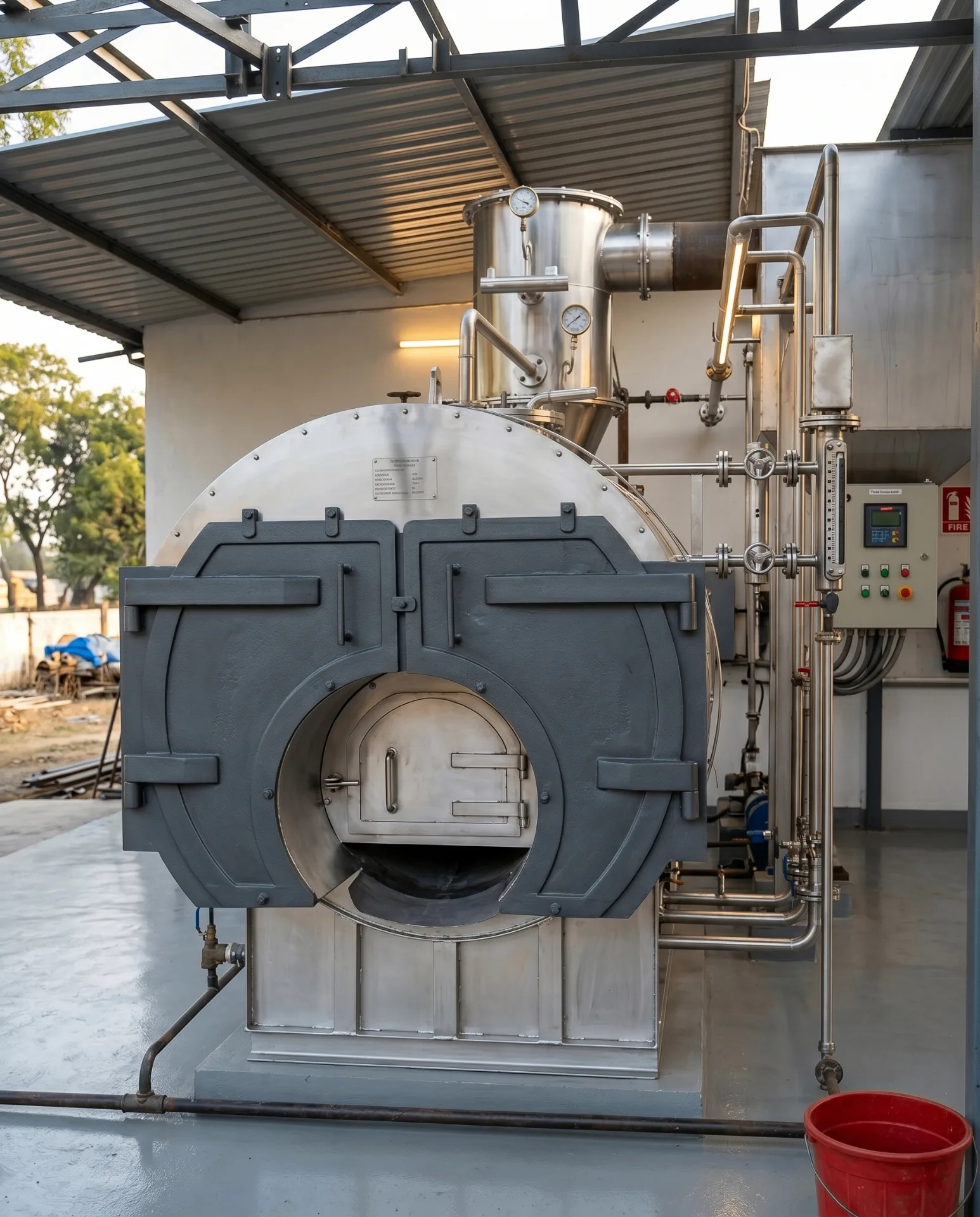
In a manual feeding system, an operator loads fuel by hand or with simple tools (shovels, wheelbarrows) into the furnace or onto a grate. Common in small-capacity boilers and older installations, manual systems are simple to set up but demand continuous human attention.
2. What is Automatic Fuel Feeding?
An automatic system uses mechanical equipment — screw feeders, belt conveyors, pneumatic injectors or hydraulic stokers — to deliver fuel from a storage hopper to the combustion zone at a controlled rate. The feed rate is usually linked to the boiler's steam / heat demand through a PLC or dedicated controller.
3. Operation & Labour
- Manual Feeding: Requires dedicated operators round the clock. Subject to human fatigue, irregular feeding intervals and uneven combustion.
- Automatic Feeding: Runs with minimal supervision. One operator can manage multiple boilers. Consistent fuel delivery leads to stable combustion.
4. Fuel Efficiency & Combustion Quality
Uneven manual feeding creates peaks and troughs in fire bed temperature, causing incomplete combustion, higher excess air and increased unburnt carbon loss. Automatic feeders maintain a uniform fuel bed, optimising air-fuel ratio and typically improving efficiency by 5–12 % compared to poorly managed manual firing.
5. Safety
- Manual Feeding: Operators are exposed to high temperatures, fly ash and fire-back risks. Opening furnace doors frequently disturbs draft and can cause flame flare-out.
- Automatic Feeding: Fuel is delivered through enclosed chutes or injectors. Fewer door openings, less exposure to hazards and better interlocks (flame failure, level trip, etc.).
6. Fuel Flexibility
Manual systems can handle irregular fuel shapes and mixed fuels (coal + biomass) more easily because a human can judge the load. Automatic feeders need consistent fuel size and moisture for reliable operation; however, modern multi-fuel feeders can switch between coal, biomass briquettes and pellets with PLC-based recipe changes.
7. Maintenance & Downtime
- Manual Feeding: Very little mechanical equipment to maintain — mainly the grate and ash removal. Downtime is low unless the grate fails.
- Automatic Feeding: Motors, gearboxes, sensors and conveyors need periodic maintenance. However, scheduled maintenance is predictable and can be planned during boiler shut-downs.
8. Capital & Operating Cost
- Manual Feeding: Low capital cost (no feeders, hoppers or controls). High recurring labour cost, especially with 24/7 operation.
- Automatic Feeding: Higher upfront investment in feeder, hopper and control panel. Labour savings and fuel savings usually pay back the extra cost within 1–3 years.
Quick Comparison Table
| Parameter | Manual Feeding | Automatic Feeding |
|---|---|---|
| Labour Requirement | High (dedicated operators) | Low (one operator per shift) |
| Combustion Consistency | Variable | Uniform & stable |
| Fuel Efficiency | Lower (5–15 % losses) | Higher (optimised air-fuel ratio) |
| Safety | Higher exposure risk | Enclosed, interlocked, safer |
| Fuel Flexibility | Good with mixed/irregular fuel | Needs sized fuel; multi-fuel models available |
| Capital Cost | Low | Moderate to high |
| Operating Cost | High labour + fuel waste | Lower labour + better efficiency |
| Best for | Small plants, intermittent use | Medium–large continuous processes |
Which One Should You Choose?
- Choose manual feeding if your boiler capacity is small (< 1 TPH), labour is inexpensive, and your operation runs only a few hours a day.
- Choose automatic feeding if you run continuously, need consistent steam / heat output, want to reduce labour dependency and improve fuel efficiency.
At Thermo Energy System, Ahmedabad, we supply both manual-grate and automatic-feeding coal / biomass fired boilers. We can retrofit automatic feeders to existing manual boilers or design a completely integrated system with PLC-based combustion control for maximum efficiency and safety.
Related equipment
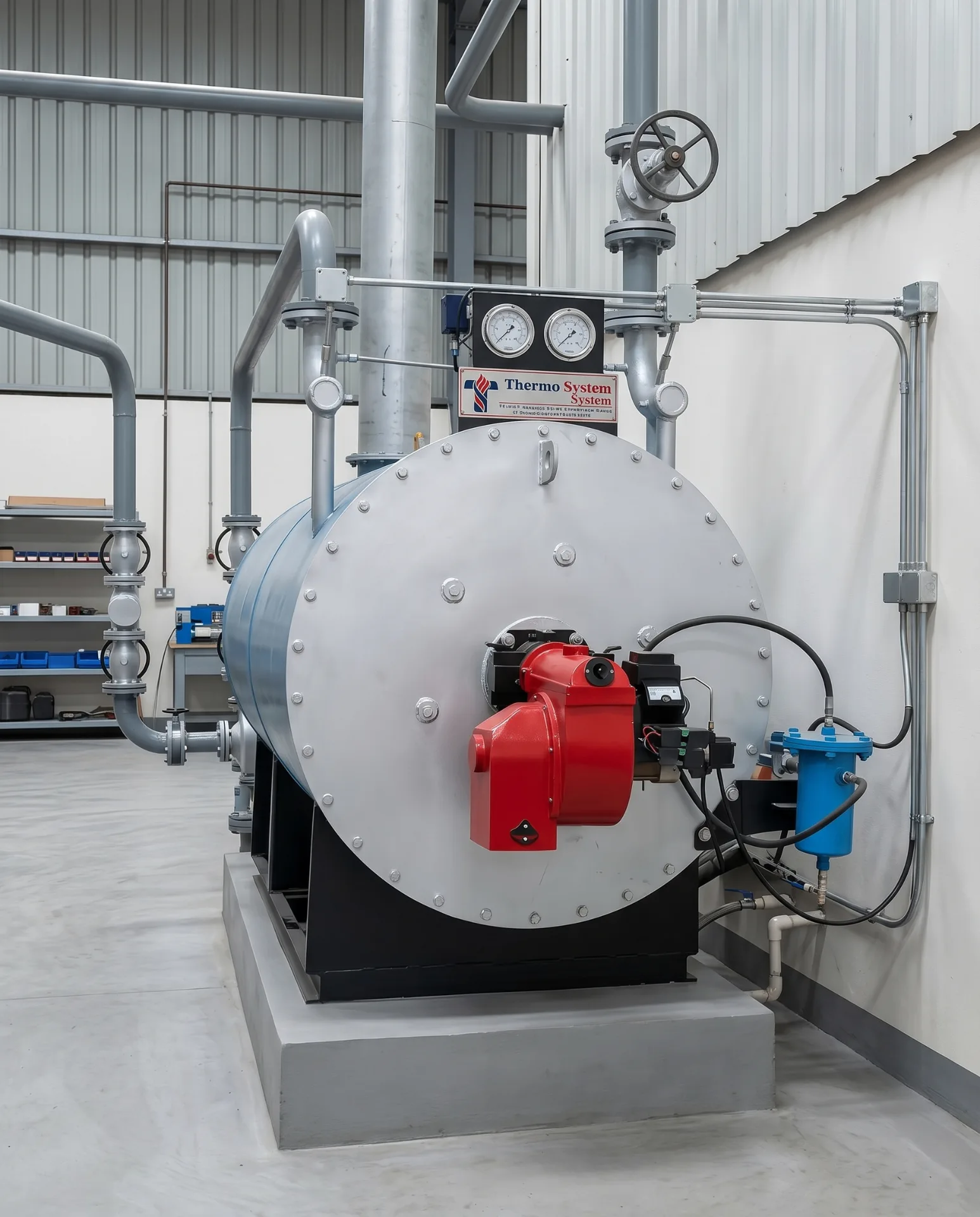
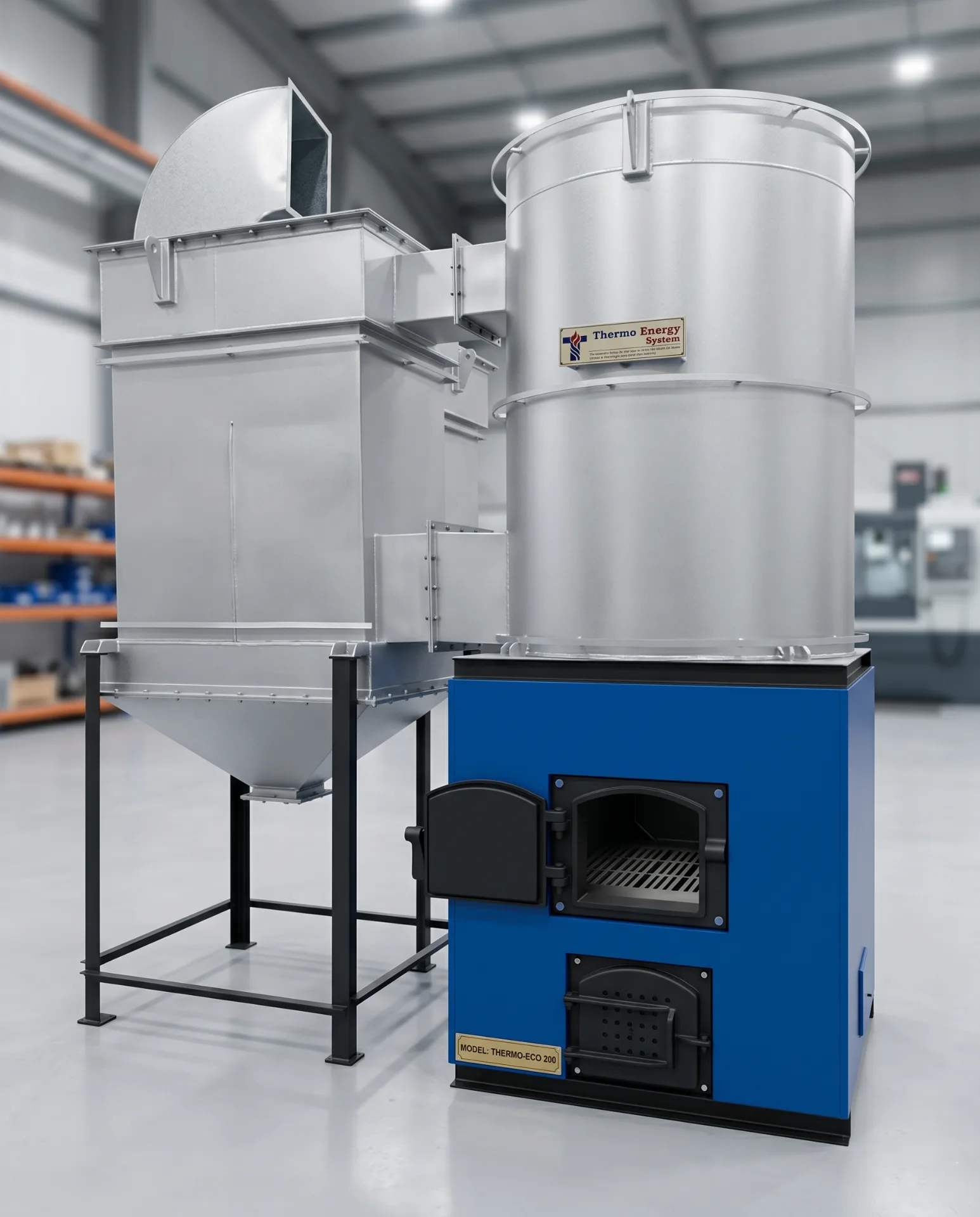
Explore our IBR Steam Boiler, Thermic Fluid Heater and Hot Air Generator.
Frequently Asked Questions
Free engineering consultation from our team.