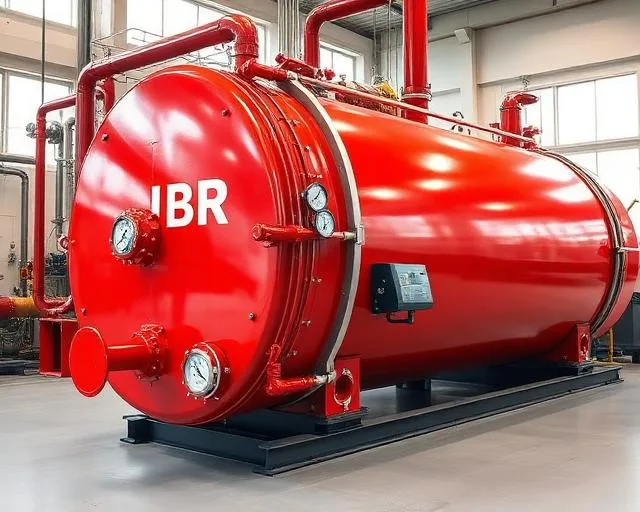
Choosing the right industrial heating system is one of the most important decisions a plant manager makes. The two most common options are the steam boiler and the thermic fluid heater. Both deliver process heat, but they work very differently — and picking the wrong one can mean higher fuel bills, lower productivity and unsafe operation.
1. Working Principle
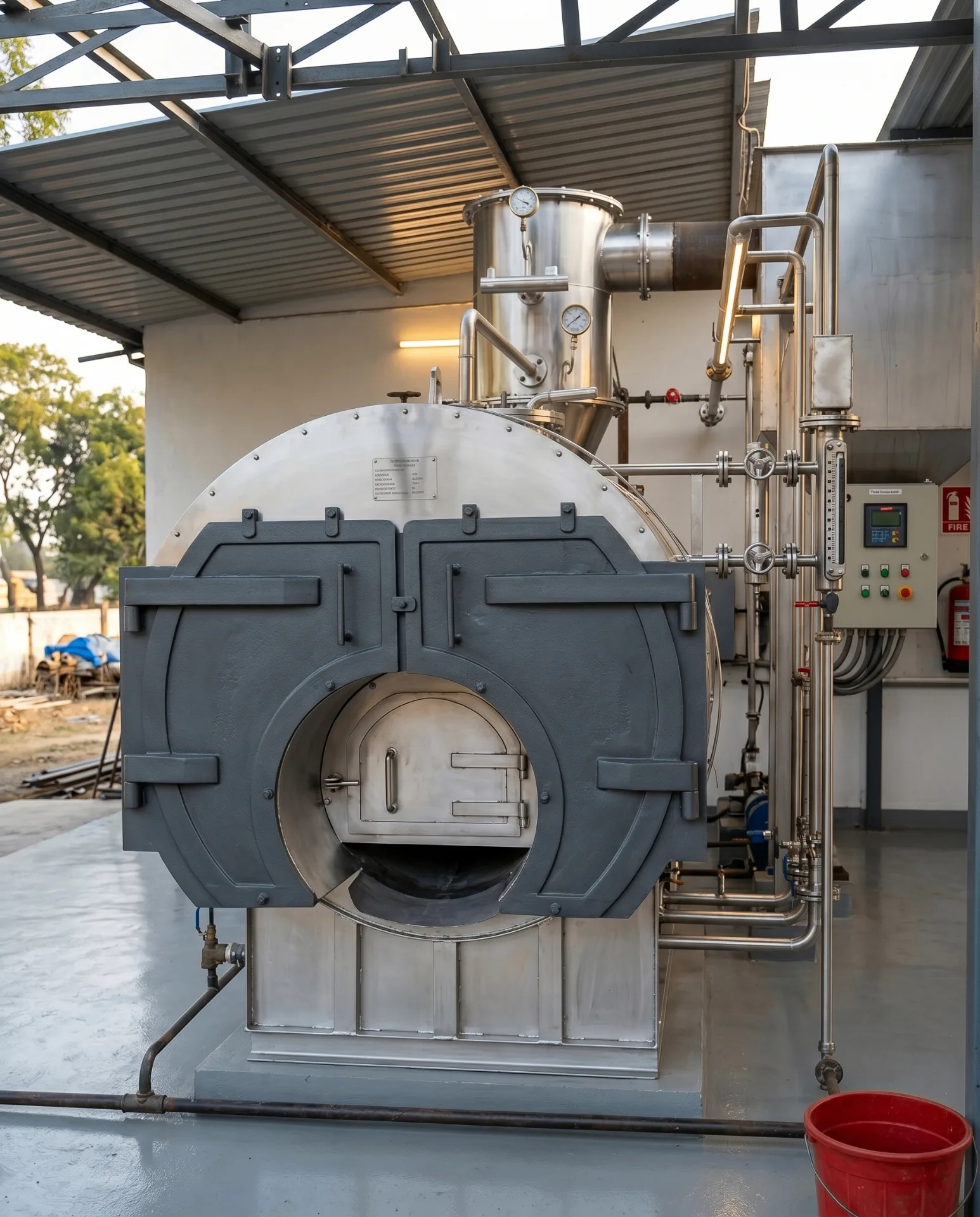
A steam boiler heats water until it converts into steam. The steam is then piped to the process where it transfers heat by condensing back into water.
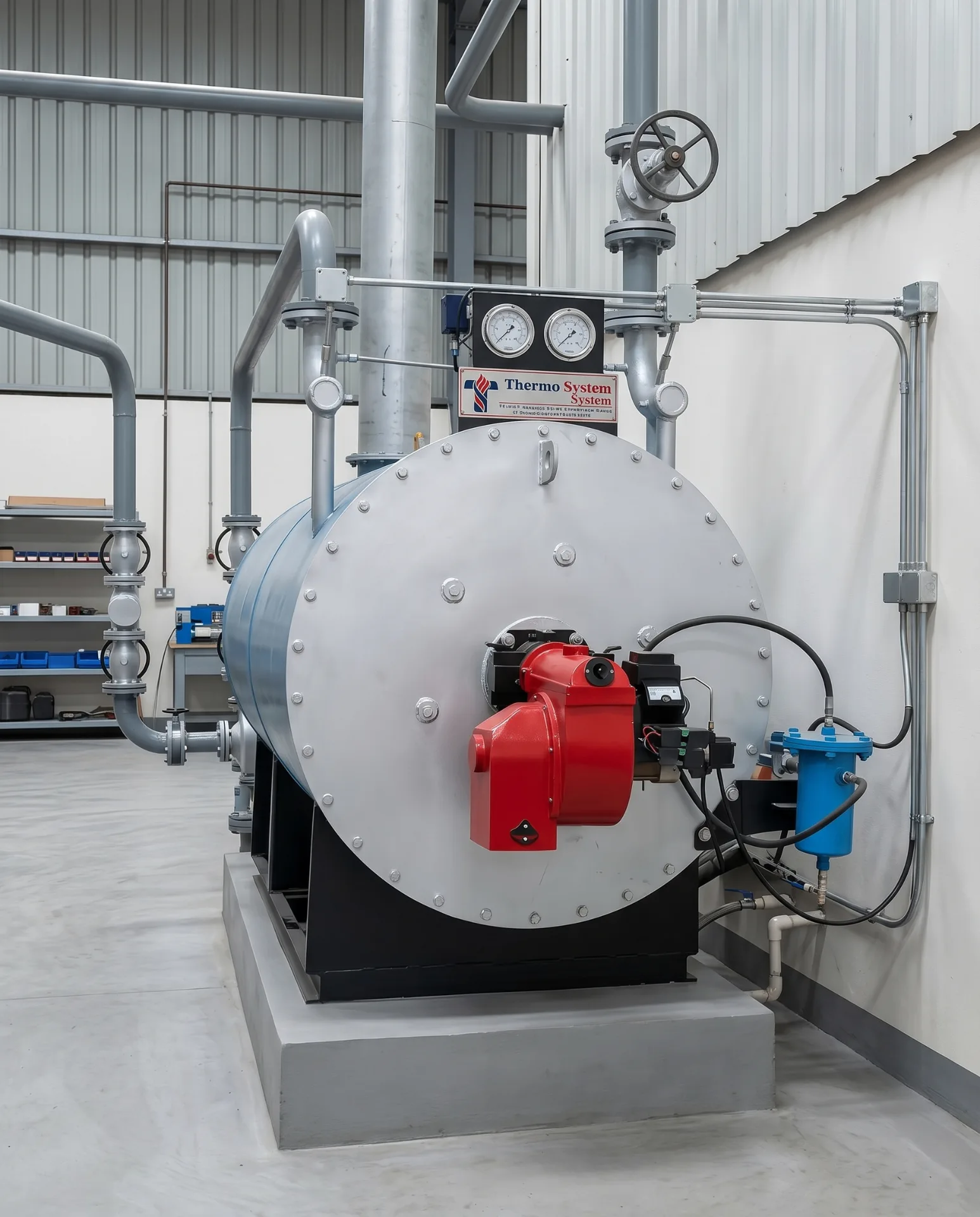
A thermic fluid heater (TFH) heats a synthetic or mineral oil (thermic fluid) inside a closed coil. A pump circulates the hot oil to the process and back — no phase change takes place.
2. Operating Pressure
- Steam Boiler: Operates at high pressure (typically 7–17 bar or more). Falls under IBR regulations.
- Thermic Fluid Heater: Operates at near-atmospheric pressure even at very high temperatures. No IBR approval required.
3. Operating Temperature
- Steam Boiler: Practical limit around 180–200 °C (saturated steam). Going higher needs very high pressure.
- Thermic Fluid Heater: Can comfortably deliver 250–300 °C — perfect for processes that need precise, high-temperature heat.
4. Efficiency & Heat Loss
Steam systems lose energy through condensate, flash steam, blow-down and steam traps. A well-designed thermic fluid system is a closed loop with minimal losses, typically delivering higher net thermal efficiency in continuous processes.
5. Safety
- Steam Boiler: High-pressure system — risk of explosion if not maintained; mandatory statutory inspections.
- Thermic Fluid Heater: Low pressure, much safer to operate. Main concern is fluid degradation if overheated.
6. Water Treatment
Steam boilers need continuous water treatment, softening and blow-down to prevent scale and corrosion. Thermic fluid systems use a sealed oil charge — no water treatment, no scaling, no corrosion.
7. Typical Applications
- Steam Boilers: Pharmaceuticals, dairy, food processing, sterilization, textile dyeing, hospitals, laundries — anywhere steam itself is part of the process.
- Thermic Fluid Heaters: Plywood presses, chemical reactors, edible oil refining, bitumen heating, paint & resin plants, textile stenters — processes that need high, accurately controlled temperature.
8. Cost & Compliance
- Steam Boiler: Higher capital cost due to pressure parts; recurring IBR inspection and operator licensing costs.
- Thermic Fluid Heater: Lower capital cost in most ranges, no IBR compliance, lower operating manpower.
Quick Comparison Table
| Parameter | Steam Boiler | Thermic Fluid Heater |
|---|---|---|
| Medium | Water / Steam | Thermic Oil |
| Pressure | High (7–17+ bar) | Near atmospheric |
| Max Temperature | ~180–200 °C | Up to 300 °C |
| IBR Approval | Required | Not required |
| Water Treatment | Mandatory | Not needed |
| Safety | High-pressure risk | Inherently safer |
| Best for | Steam-driven processes | High-temperature processes |
Which One Should You Choose?
- Choose a steam boiler if your process actually needs steam — sterilization, humidification, cooking, dyeing, or wherever condensing heat transfer is essential.
- Choose a thermic fluid heater if you need temperatures above 200 °C, precise control, low pressure, and no IBR compliance overhead.
At Thermo Energy System, Ahmedabad, we manufacture both IBR & Non-IBR steam boilers and thermic fluid heaters. Our engineers can study your process and recommend the most efficient, safe and cost-effective solution.
Related equipment
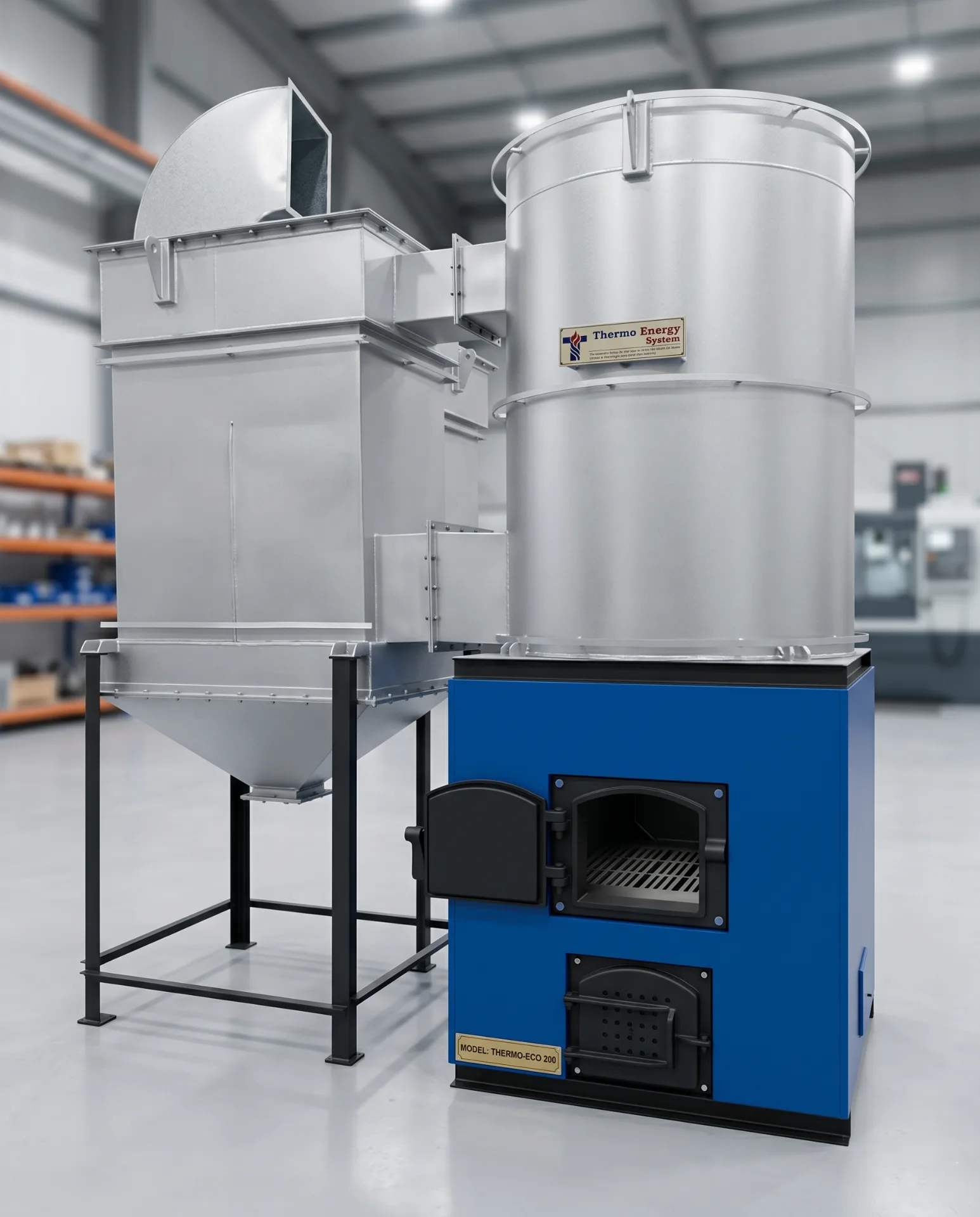
Explore our IBR Steam Boiler, Thermic Fluid Heater and Hot Air Generator.
Frequently Asked Questions
Free engineering consultation from our team.